CENTURI Training course
Data Weeks Part 2 — Intro to Biological Data
6 days
1st & 2nd year PhDs
Hexalab, Luminy Campus
Next session: 23/24 Mar. - 30 Mar./02 Apr. 2027
This course is the second part of the Data Weeks course.
The Intro to Biological Data training includes five different courses, extended over a week:
1. The Python course, taught by Léo Guignard ; Beginner Level
2. The Omics Analysis & Reproducibility course, taught by Thomas Vannier & Gaël Chambonnier
2. The Machine Learning & Deep Learning Basis course, taught by Victor Piriou
4. The Deep Learning Advanced course, taught by Matthieu Gilson (INT)
5. The Dimension Reduction course, taught by Paul Villoutreix
Students attending Python and Deep Learning Beginer/Basis courses must follow-up with the Advanced courses.
Students who do not require the Beginer/Basis courses can attend directly the Advanced courses.
About the Trainers
About the Trainers —
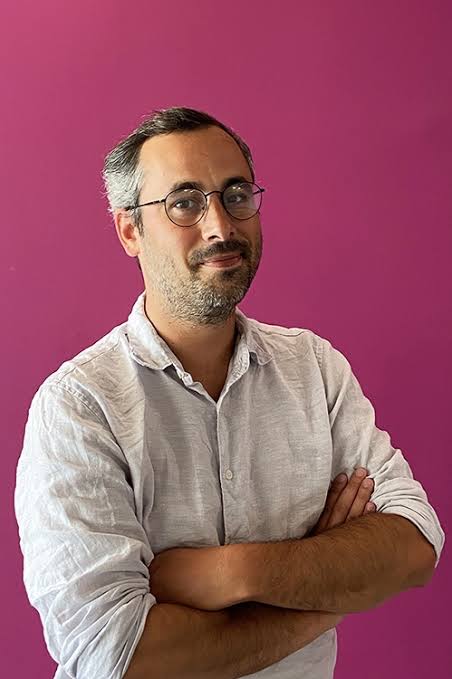
Léo Guignard
Léo Guignard is a group leader at the Institut de Biologie du Développement de Marseille (IBDM) and part of CENTURI, working at the interface of computer science and developmental biology. He trained as a physicist before completing a PhD in Biology in Montpellier, developing quantitative methods to track cell behavior during ascidian embryo development. He then spent several years as a postdoctoral researcher in Philipp Keller's group at Janelia Research Campus, followed by a fellowship in Dagmar Kainmueller's group in Berlin, supported by a Humboldt Research Fellowship. Since 2021, he has led his own research group at IBDM, developing computer vision, graph-based, and machine learning approaches to quantify developmental reproducibility at the single-cell scale across whole organisms. His work bridges large-scale imaging, computational analysis, and developmental biology to understand how embryos reliably build the same organism every time.
From tracking single cells in developing embryos to building the computational tools that make sense of them
Thomas Vannier
Thomas Vannier is a Research Engineer in Bioinformatics at the Multi-Engineering Platform for Living Systems. He holds a PhD in Bioinformatics from Paris-Saclay University (CEA/Genoscope), where he studied how ocean currents and physicochemical conditions shape the genomic organization of marine plankton communities, drawing on the large-scale Tara Oceans metagenomic and transcriptomic datasets. He then completed a postdoctoral fellowship at the Mediterranean Institute of Oceanography in Marseille, working on the biogeography of bacterial bioluminescence in the global ocean. Since 2019, he has supported CENTURI's research community as a bioinformatics data analyst, helping researchers across the institute analyze -omics data — from genomics and transcriptomics to metagenomics and single-cell datasets — and has regularly taught courses on Python, machine learning, and data analysis for the CENTURI community.
Has regularly taught courses on omics data analysis and reproducible research following the FAIR principles for the CENTURI community
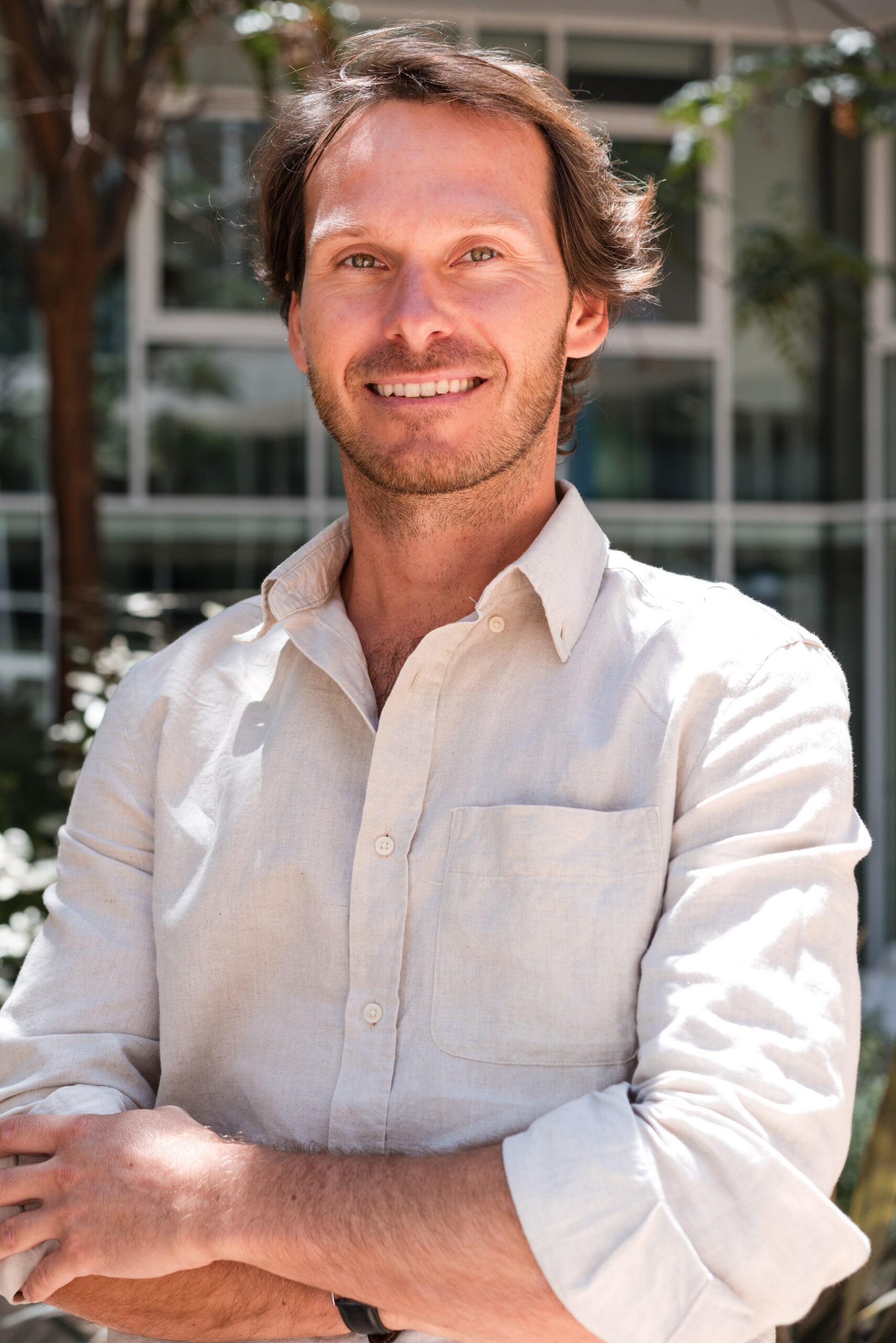
Gaël Chambonnier
Gaël Chambonnier is a biochemist by training who moved from the wet lab to software and data engineering. After an engineering degree in Biochemistry and Biotechnology at INSA Lyon and a Master’s at Université Claude Bernard Lyon 1, he did his PhD at Aix-Marseille Université in the Laboratoire d’Ingénierie des Systèmes Macromoléculaires (LISM). His thesis was on signal transduction networks in the bacterium Pseudomonas aeruginosa. He then joined the Department of Biological Engineering at the Massachusetts Institute of Technology (MIT) as a postdoctoral associate in the Niles Lab. There he worked at the interface of synthetic biology and computation, including automated in silico design tools for genome editing in the malaria parasite and community efforts to standardize the engineering of biological systems. He is now the Software Development and System Administration engineer of the Multi-Engineering Platform for Living Systems, where he develops tools for CENTURI teams with Python, R, Docker, web servers and Raspberry Pi devices. He also promotes FAIR, open-source and reproducible practices across the community. In this course, he co-teaches the Data Analysis session with Thomas Vannier, introducing the fundamentals of high-throughput sequencing and the key steps of RNA-seq data analysis.
A biochemist turned software engineer, building open and reproducible tools for the CENTURI research community
Victor Piriou
Victor Piriou is a Research Engineer at CENTURI’s Multi-Engineering Platform for Living Systems, which he joined in June 2026. He specializes in the multimodal integration and analysis of biological imaging and multi-omics data.
He earned a Bachelor’s degree in Computer Science from the Université de Bretagne Occidentale before completing a Master’s degree in Computer Vision and Image Processing at Sorbonne Université. During his studies, he completed four research internships across Institut Pasteur, Washington University in St. Louis, and the École Normale Supérieure. His work covered topics ranging from clustering single-neuron activity to tracking neurons in freely deforming organisms and mapping astrocytic networks.
He then spent over a year at Hera-MI, a medical imaging AI company, developing machine-learning systems for breast cancer screening using mammography. At CENTURI, he now helps researchers integrate imaging and omics data to uncover biological structures, patterns, and relationships that may remain hidden when each modality is analyzed separately.
From tracking neurons in freely deforming organisms to helping CENTURI researchers uncover patterns across imaging and omics data.

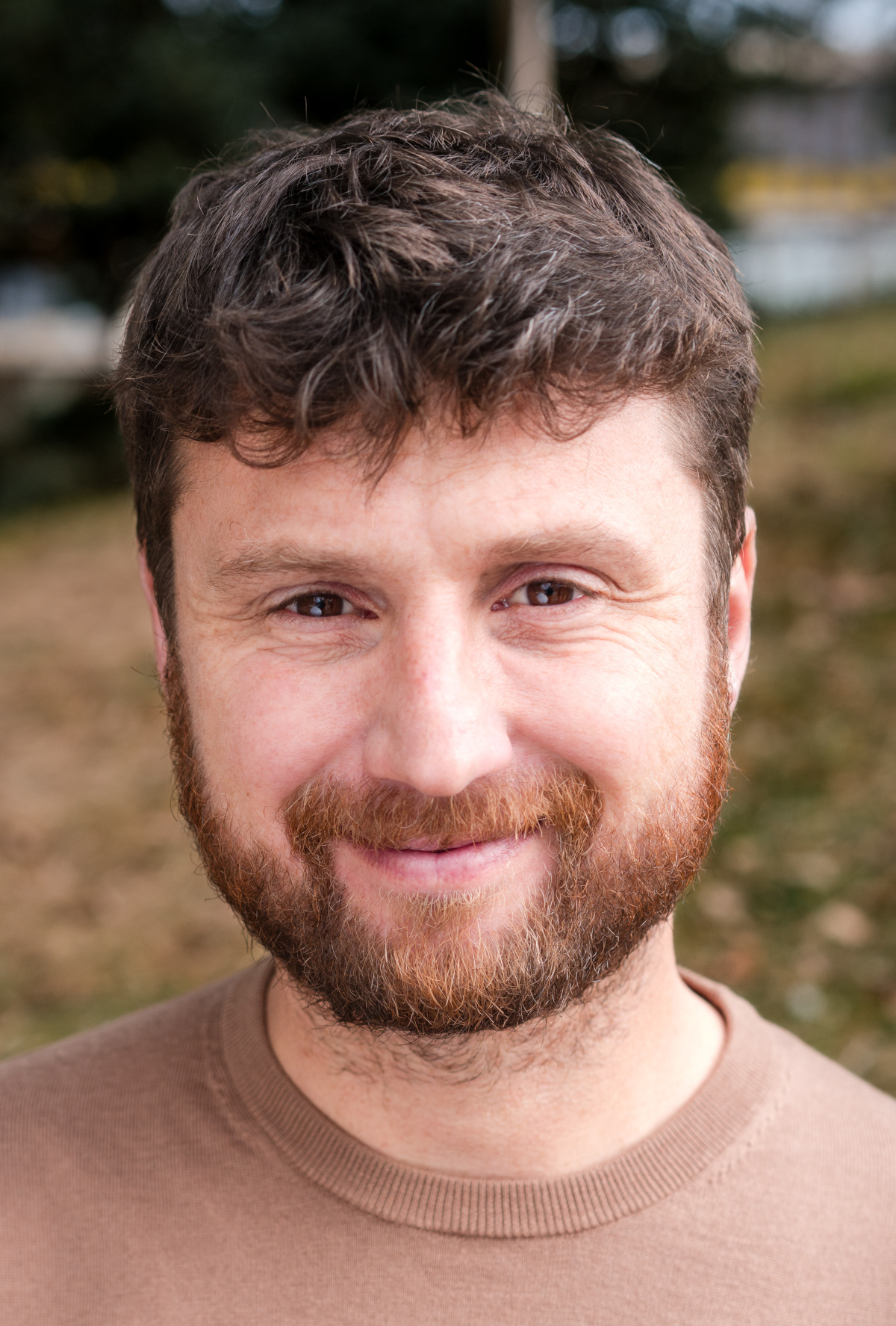
Matthieu Gilson
Matthieu Gilson is a researcher in computational neuroscience at the Institut de Neurosciences de la Timone (INT, CNRS), also affiliated with the Institut de Neurosciences des Systèmes (INSERM). He holds a PhD in Electrical and Electronic Engineering from the University of Melbourne, with a thesis on biological learning mechanisms in spiking neuronal networks, and went on to hold postdoctoral positions at RIKEN Brain Science Institute in Japan, Universitat Pompeu Fabra in Barcelona, and Forschungszentrum Jülich in Germany before joining Marseille. His research develops models of neuronal networks to study how the brain integrates information and produces behavior, using these models to interpret neuroimaging and electrophysiological data — spike trains, fMRI, EEG, and MEG — at both the microscopic and macroscopic scale. He is an active member of the Marseille computational neuroscience community, notably through CONECT and the annual BrainHack Marseille event, which bring together neuroscientists around computational methods and open, collaborative coding projects.
Modeling neuronal networks to bridge brain data, from spike trains to whole-brain imaging
Paul Villoutreix
Paul Villoutreix holds an INSERM Junior Professor Chair and leads a group at the Marseille Medical Genetics institute. Trained as an engineer in applied mathematics at Supélec, he later pursued an interdisciplinary master's in life sciences before completing a PhD on randomness in animal morphogenesis, under the mentorship of Nadine Peyriéras and Giuseppe Longo. He joined CENTURI in 2019 to start his group, focusing on machine learning methods to extract biological insights from large-scale imaging and sequencing datasets — in particular, exploring the mapping between the high-dimensional geometry of gene expression and the physical geometry of living tissue. His work sits at the crossroads of developmental biology, computer science, and applied mathematics.
From an engineering degree to leading a machine-learning team decoding how embryos take shape
Content
The Python course taught by Léo Guignard
Getting Comfortable with Coding:
- Environment Setup: Tips for creating an efficient coding environment.
- Virtual Environments: Why they’re essential for managing dependencies.
- Version Control (Git): Benefits of tracking code changes and collaborating.
- Useful Tools: Overview of helpful coding tools.
- Python Basics: Variables, Conditionals, and Loops: Introduction to Python's core building blocks.
Classes in Python: Why and When to use them ; understanding the importance of classes for organizing code.
Using Classes: How to implement classes effectively.
Organizing and Publishing Code:
- Code Organization: Best practices for structuring code.
- Local Installations: Making code “pip installable” locally.
- Online Publishing: Steps to publish code as an installable package online.
The Omics Analysis & Reproducibility Course taught by Thomas Vannier & Gaël Chambonnier
Prerequisites: Basic knowledge of molecular biology (DNA, RNA and gene expression) and familiarity with general computer use are recommended. Previous experience with Linux command-line tools or bioinformatics is helpful but not required. No prior experience with RNA-seq analysis is expected. Students should bring a computer with Internet access, Visual Studio Code installed, and a GitHub account
During this course, we will explore the fundamentals of high-throughput sequencing and introduce the key steps of RNA-seq data analysis. We will also discuss -omics approaches more broadly and learn how to analyze these datasets while applying the FAIR data principles (Findable, Accessible, Interoperable, Reusable). Throughout the course, we will present several tools and best practices to enhance the reproducibility and transparency of your analyses.
The Machine Learning course & Deep Learning Basis course taught by Victor Piriou
Prerequisites: basic Python skills, computer with Internet access.
Machine Learning morning:
- Supervised learning (getting to grips with sklearn, svm, random forest, etc.)
- Unsupervised: dimension reduction and clustering (pca, umap etc. )
Deep learning for beginners:
- Key concepts (definition of layers, neurons, optimization, back propagation, getting to grips with a neural network with tp on Kaggle)
- Supervised: segmentation with unet
- Getting to grips with the pytorch library
The Deep Learning Advanced course taught by Matthieu Gilson (INT)
Prerequisites: pytorch (Deep learning débutant)
Advanced Deep Learning:
- architectures of deep learning networks to extract information patterns
- application to analysis of images and graphs
The Dimension Reduction course taught by Paul Villoutreix
Dimensionality reduction: we will introduce core techniques such as PCA, UMAP, and t-SNE, highlighting how they uncover structure and variability in complex data.
Data integration: we will also cover strategies for data integration, including multi-omics analysis and joint matrix factorisation, which enable the combination of heterogeneous datasets into a uni- fied representation.
Clustering: throughout, we will address practical questions on how to parameterize biological va riation, and perform robust clustering.
Programme
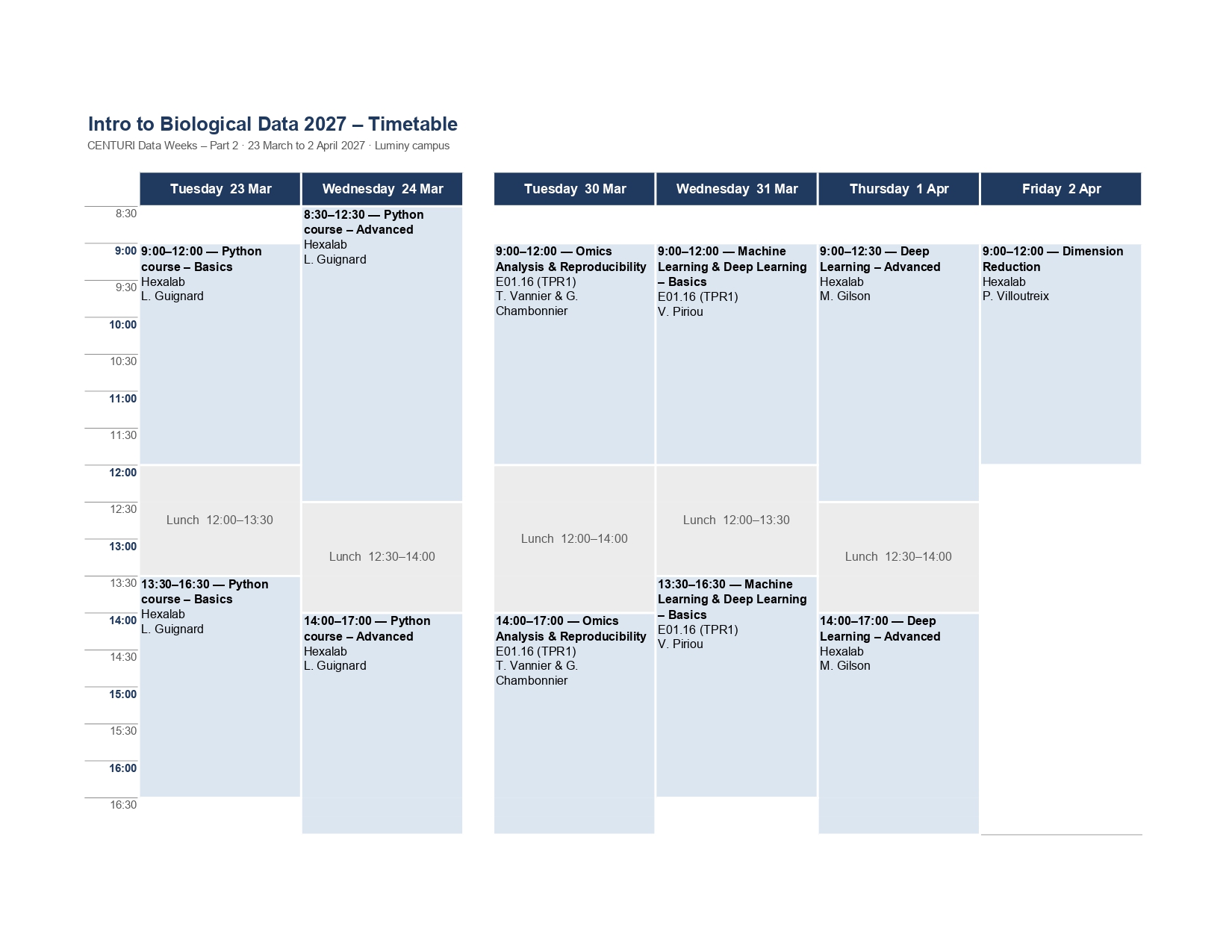
Click on the image to Open/Download PDF.
Registration Form